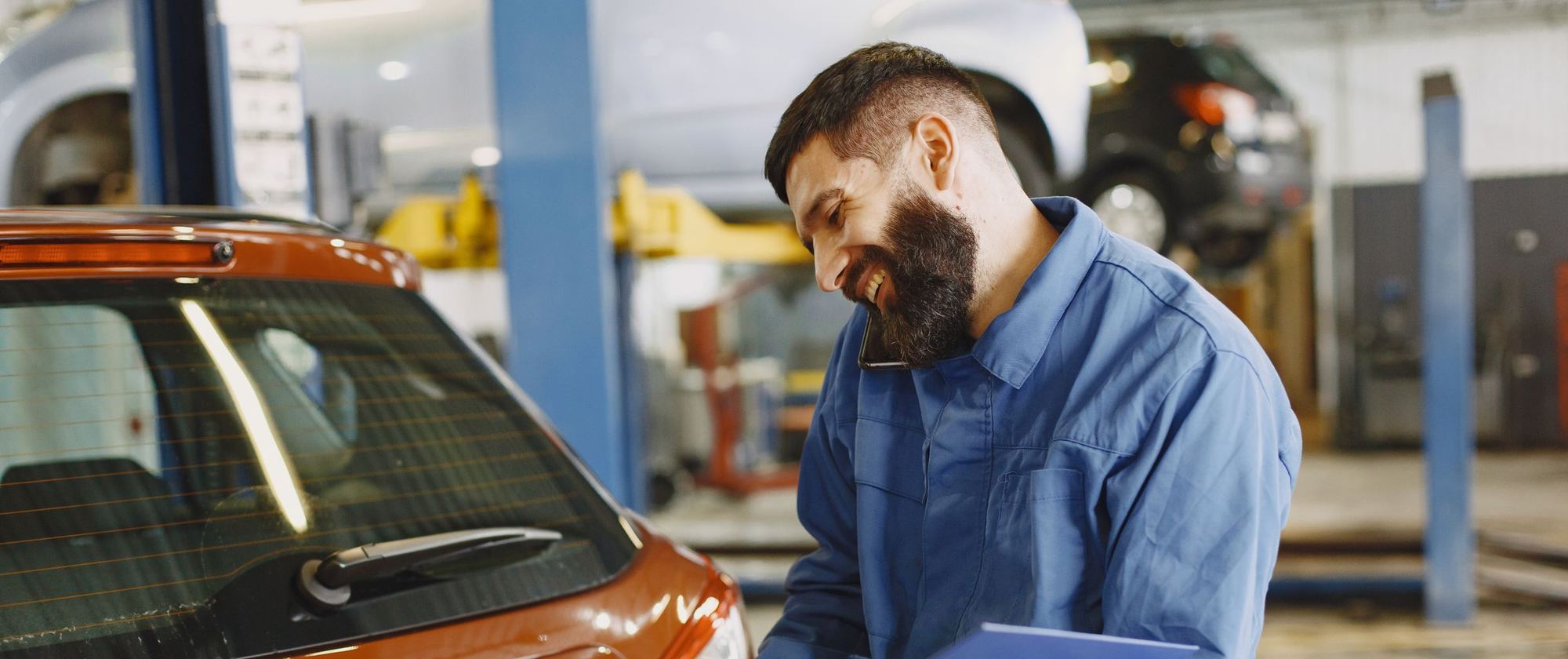
Can a Used Replacement Part Affect Ford Factory Coverage?
An owner calls our parts counter about a Ford that still might have factory coverage. The repair shop has suggested a recycled part, but the owner worries about the remaining Ford bumper-to-bumper warranty. Installing an appropriate used component does not automatically cancel an otherwise valid vehicle warranty. The outcome of a particular claim depends on the covered fault, the warranty terms, and whether the replacement or its installation actually caused damage. At Allford Auto Wrecking, we can help you identify a used part; Ford or the relevant warranty administrator decides a manufacturer or service-contract claim.
Find out which coverage could pay for this repair
Start with the original warranty booklet for your vehicle's model year and its warranty start date. For 2026-model Ford cars and light trucks covered by the standard U.S. guide, Ford lists bumper-to-bumper coverage of three years or 36,000 miles, whichever comes first. Other coverage categories and exclusions have their own terms. An older Explorer, a different Ford vehicle, or a separately purchased contract may have a different claim pathway.
The factory new-vehicle warranty addresses covered manufacturing defects. An optional service contract is a separate agreement with its own administrator, deductible, exclusions, and repair authorization rules. Our yard's parts coverage applies to eligible used components we sell; it does not extend Ford's factory promise. Knowing who made each promise keeps the repair from bouncing between a dealer, installer, and parts supplier.
Before authorizing work, ask the dealer or administrator to identify which agreement may cover the diagnosed fault. If a service contract applies, check whether it requires approval before disassembly or the installation of a customer-supplied component.
Three repair outcomes lead to different decisions
A single fact changes the answer: what caused the problem? We encourage owners to keep the following situations separate when talking to a dealer or repair shop:
- A covered defect appears before the used-part repair. Ask Ford or an authorized dealer to evaluate it under the applicable factory warranty before paying for a replacement. Diagnosis determines whether the fault qualifies.
- An unrelated component fails after the repair. The recycled part's presence does not, by itself, cancel coverage on the rest of the vehicle. Have the dealer evaluate that separate failure on the original warranty terms.
- The replacement or installation causes damage. A defective used part or improper installation can lead to denial of coverage for the resulting damaged component. The manufacturer or dealer must establish the causal connection rather than rely on the mere presence of a recycled part.
This distinction follows the FTC guidance on recycled parts and warranty coverage. It does not require Ford to pay for a faulty used part purchased from an unrelated seller. Nor does it make every later failure automatically eligible for a free factory repair.
If a claim is questioned, request the diagnosis and the specific reason for the decision in writing. A statement that a vehicle contains non-original hardware is less informative than a technical explanation of how that hardware affected the failed component.
Save records that let both shops trace the repair
Photographs and invoices are useful while the work is underway, not just when a claim becomes disputed. Keep the following information together in a folder you can share with the technician or warranty representative:
- Vehicle VIN, mileage, and the date the symptom first appeared.
- Original estimate and any dealer diagnostic findings.
- Used-part receipt, donor description, and identifying part numbers.
- Installer's invoice showing the exact work performed.
- Photos of the damaged area before and after replacement.
- Maintenance records relevant to the reported system.
- Emails, authorizations, and written warranty decisions.
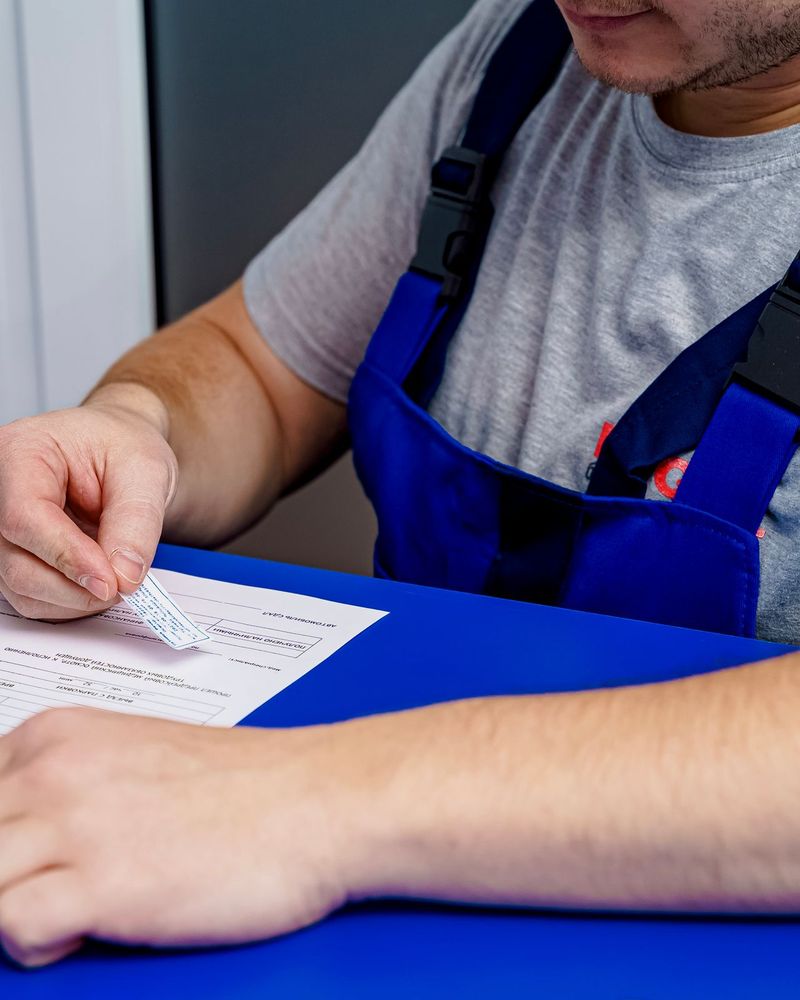
Record the symptom in everyday words as well: for example, whether a liftgate stopped latching before or after replacement. Avoid asking your mechanic to speculate in the invoice.
Check the VIN for an open safety recall
A safety recall follows a different process from an ordinary warranty request. If the failure may relate to a safety defect, check for outstanding safety recalls by VIN and confirm the next step with a Ford dealer before purchasing the component yourself. A vehicle may have recall repair eligibility even when its standard bumper-to-bumper period has ended.
The recall lookup reports information about the vehicle and outstanding campaigns; it cannot certify that a salvaged part is suitable or free from a recall-related issue. Don't assume a donor vehicle's history clears the replacement for use. The technician must still verify the part and follow any applicable Ford repair guidance.
Keep our parts coverage separate from Ford's
Our currently published service terms describe a three-month warranty for eligible used auto components, excluding electrical parts. Review our current used-parts warranty terms and confirm the conditions for the specific item before ordering. Ask your installer separately what labor coverage, if any, the shop provides when it fits a customer-supplied part.
A parts warranty addresses the seller's stated obligations for the part. A factory warranty addresses Ford's obligations for covered defects. If an installed used component later fails, those agreements may lead to different conversations, and labor or associated costs need explicit confirmation.
Ask for a diagnosis before choosing the replacement
A helpful question for the dealer is: What failed, and is that failure covered under the vehicle's existing warranty or another applicable Ford program? Ask your repair shop which component it wants and whether it has checked the part number, connectors, and installation requirements.
Once the repair is confirmed as owner-paid, we can discuss a compatible used Ford component, its observed condition, and availability. We do not decide whether Ford must honor a claim. You should leave the conversation knowing which party covers the part, which party covers labor, and what the written diagnosis actually says.