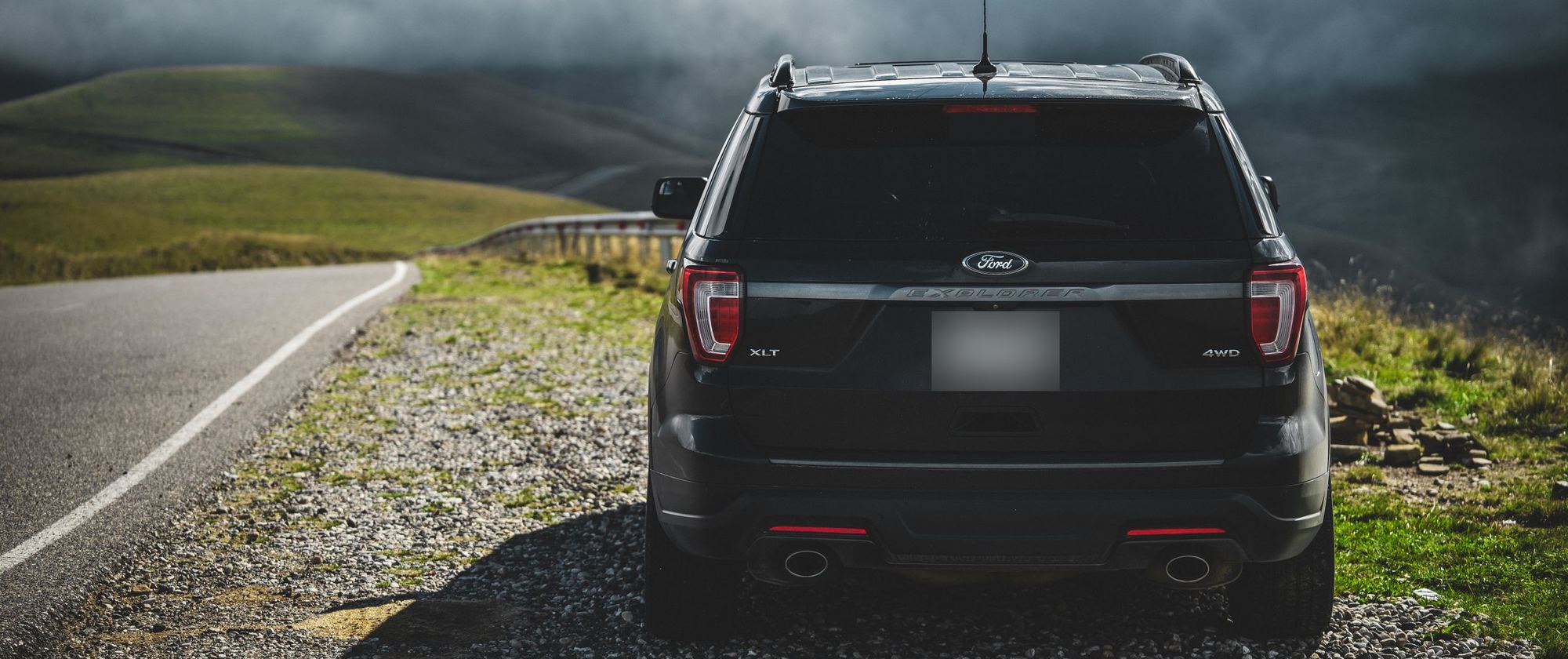
Find a Ford Explorer Liftgate That Matches Your Build
A rear hatch bent in a collision can leave a Ford Explorer with a closure that won't seal. A failed latch or damaged rear glass creates a different parts request. When you call us about used Ford Explorer parts, we first establish whether you need the metal liftgate, a complete assembly, or one component attached to it. That distinction affects fit, price, shipping, and what your repair shop must transfer from the original hatch. We can check available donor parts at our Anaheim yard, but an Explorer model year alone cannot tell us everything we need to quote the right one.
Choose the piece before looking for a donor
A liftgate shell is the main panel. It may arrive without glass, trim, wiring, a latch, or exterior accessories. A complete used Ford Explorer liftgate can carry more of the original hardware, although “complete” means different things across dismantlers and individual donor vehicles. Ask for an itemized description rather than relying on that word.
For a dented outer panel, a shell may be enough if the existing glass and hardware remain serviceable. If the collision broke the glass and camera housing, a larger assembly might reduce the number of separate pieces your shop has to locate. A liftgate that won't open could need diagnosis of the latch, switches, wiring, or powered mechanism before anyone orders sheet metal.
Talk to the installer about which parts can be reused. Transferring intact hardware may be sensible; transferring a component with hidden crash damage creates another repair. The repair plan should identify both what you want from our donor vehicle and what your shop intends to keep.
Year, equipment, and connectors decide the match
Two Explorer rear hatches can appear identical in an online photo and still differ behind the trim. Model year, trim, production changes, and equipment affect the parts attached to the opening. Power-operated and manual liftgates may need different related hardware. Camera placement, wiper fittings, latch connections, and harness plugs deserve separate checks.
Start with the 17-character vehicle identification number. You can check the vehicle details decoded from your VIN before sending a request, but the decoder describes a vehicle; it does not certify that a particular used hatch will bolt on and function. We still compare the equipment on your Explorer with the donor assembly and any available part markings.
Photos do much of the remaining work. One wide image shows the damaged opening and panel shape. Close-ups of the hinge points, camera area, wiring connector, latch, and paint label help us identify mismatches that a model name conceals. If the old hatch is already off the vehicle, photograph the exposed connections before your shop discards anything.
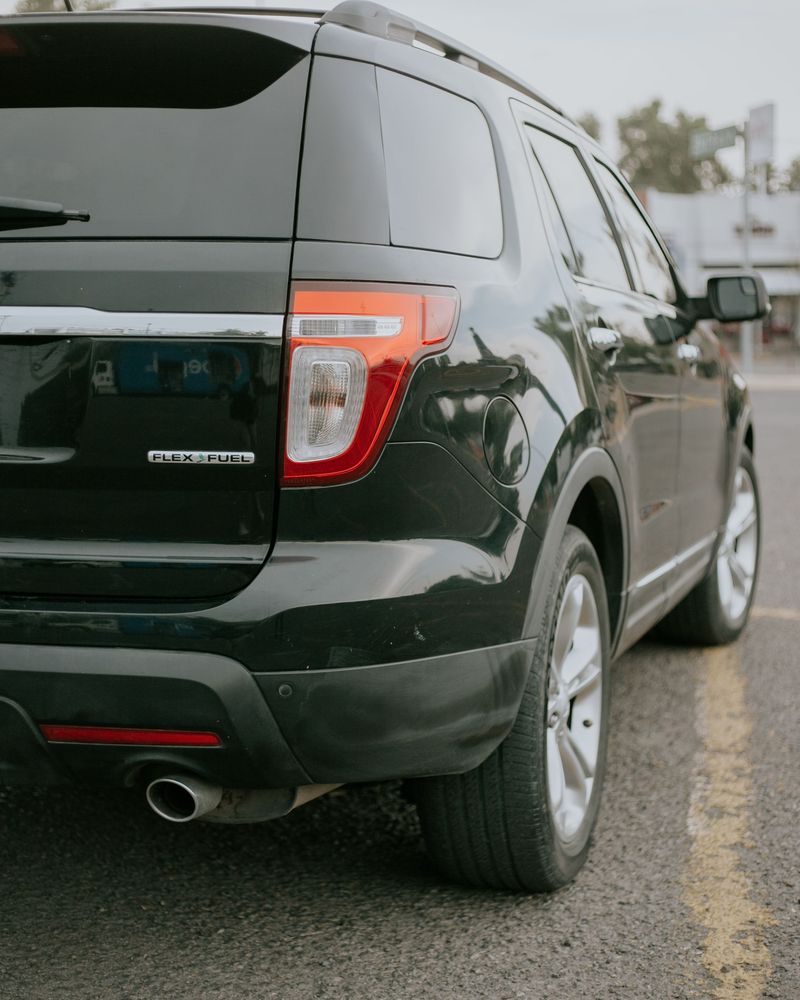
Explorer Liftgate Request Card
We can make a more useful parts inquiry when the vehicle information and repair scope arrive together. Copy the following fields into one message before asking for a quote:
- Explorer model year and full 17-character VIN.
- Trim and any known factory liftgate equipment.
- Power-operated or manual hatch; describe the failure.
- Part required: bare shell, complete liftgate, or named component.
- Photos of the damage, hinge area, latch, and rear opening.
- Close-ups of the camera, wiper connection, and visible wiring plugs.
- Paint code and any readable numbers on the original part.
- Hardware your repair shop plans to reuse or replace.
- Delivery ZIP code, shop contact, and preferred shipping arrangement.
If you cannot read a part number, say so. A clear photo is more helpful than a guessed identifier. Tell us whether the rear glass is intact, since glass affects packing and handling even when your request is mostly for metal.
Make the quote describe the actual assembly
Before a repair shop reserves labor, confirm exactly what the used unit includes. Ask whether glass, hinges, lift supports, latch, exterior trim, wiper motor, camera, and wiring come with the quoted part. These components may be absent, damaged, or sold separately. We should identify the donor part's visible condition and any known limitations before you authorize an order.
A practical approval check covers four points. It prevents a quote for a hatch shell from being mistaken for a ready-to-install rear closure:
- Confirm the Explorer build information and any required part-number match.
- Get a written inclusion list for glass, trim, hardware, and electronics.
- Agree on freight or pickup arrangements before the installation date.
- Ask which used-part warranty conditions apply to the quoted components.
Our published terms describe a three-month warranty on eligible used components, with electrical components excluded. Confirm the current policy for the specific part before paying. Neither the parts warranty nor a fitment conversation promises that installation labor, paintwork, or recalibration will be covered.